Introduction
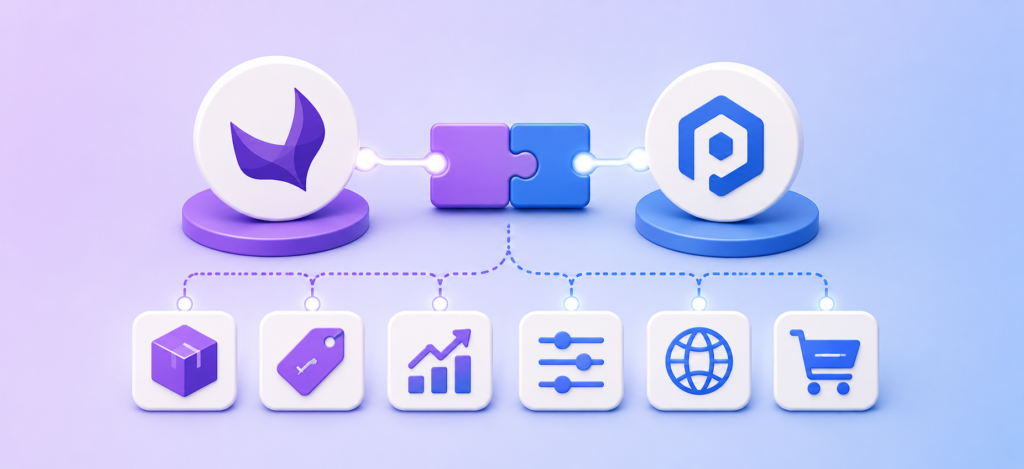
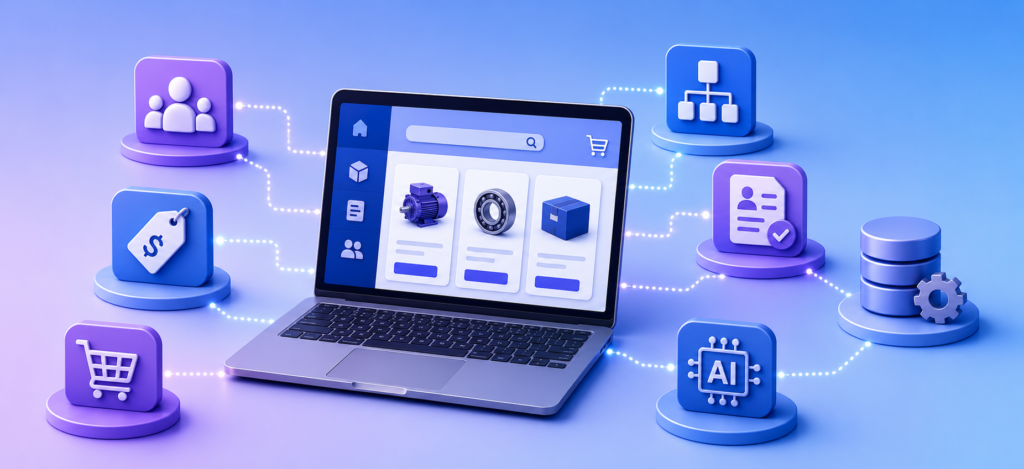
Implementing a Product Information Management (PIM) system is about far more than deploying new software. For many organizations, a PIM becomes the central hub that connects ERP systems, ecommerce platforms, digital asset management systems, marketplaces, supplier data, search platforms, and other business applications.
Because product information touches nearly every part of the business, a successful implementation requires careful planning, collaboration, and a phased approach. Organizations that treat PIM as a business transformation initiative rather than simply an IT project are far more likely to achieve long-term success.
While every implementation is different, successful PIM projects consistently follow several key principles.
1. They Start with Discovery, Not Configuration
Before any software is configured, successful implementations begin with discovery.
This phase focuses on understanding how product data currently flows throughout the organization, identifying pain points, and defining what success should look like after implementation.
Discovery often includes:
- Reviewing existing product data
- Understanding current business processes
- Identifying data quality issues
- Documenting integration requirements
- Defining future-state workflows
- Aligning business requirements with PIM capabilities
Rather than immediately building a solution, organizations first develop a clear understanding of their current-state architecture and how product information should move across the business.
A well-executed discovery phase reduces project risk and helps ensure the solution supports real business needs.
2. They Treat PIM as a Business Initiative, Not an IT Project
One of the most common misconceptions is that implementing a PIM is solely an IT responsibility.
In reality, product information is used by product management, engineering, marketing, ecommerce, customer service, sales, and operations.
Successful implementations involve stakeholders from across the organization so that the PIM reflects how each team creates, enriches, approves, and uses product information.
This cross-functional collaboration helps establish governance, improve adoption, and ensure the platform supports business objectives rather than simply meeting technical requirements.
3. They Build a Single Source of Truth
Most organizations already have numerous systems managing different pieces of product information.
For example:
- ERP systems manage inventory and operational data.
- Ecommerce platforms publish product listings.
- Digital Asset Management (DAM) systems store images and videos.
- Marketplaces require channel-specific product content.
- Search platforms rely on structured product information.
Without a centralized solution, product data becomes duplicated across systems, making it difficult to maintain consistency.
A PIM acts as the organization’s single source of truth by centralizing product information and distributing approved content to downstream systems. Instead of maintaining product information in multiple locations, teams manage it once and publish it everywhere it is needed.
4. They Avoid the "Big Bang" Implementation
One of the biggest risks in a PIM project is trying to integrate every business system at the same time.
Large organizations often have complex ecosystems consisting of ERP systems, ecommerce platforms, marketplaces, search solutions, pricing engines, supplier portals, digital asset management systems, and other business applications.
Attempting to connect everything in a single implementation introduces unnecessary complexity and increases project risk.
Instead, successful implementations typically follow a phased approach.
The first phase focuses on establishing the core PIM platform, centralizing product data, and integrating the systems that are essential to day-to-day operations. Additional integrations, marketplaces, and business capabilities are introduced in later phases once the foundation is stable.
This phased methodology reduces implementation risk while allowing organizations to realize business value earlier.
5. They Prioritize Data Quality Before Migration
Moving poor-quality data into a new PIM simply creates a better-organized version of the same problem.
Before migrating product information, successful implementations profile existing data to identify inconsistencies, missing attributes, duplicate records, and outdated information.
Organizations often use this opportunity to standardize:
- Categories
- Attributes
- Product families
- Digital assets
- Business rules
- Product completeness requirements
Improving data quality before migration leads to more reliable product information and reduces ongoing maintenance after go-live.
6. They Validate Before Going Live
Successful PIM implementations are built through continuous validation rather than waiting until the end of the project.
Throughout implementation, organizations review prototypes, conduct workshops, test integrations, validate workflows, and perform user acceptance testing before production deployment.
This iterative approach allows teams to identify issues early, refine business processes, and ensure the solution aligns with business requirements before launch.
7. They Continue Improving After Launch
Going live is not the end of a PIM project.
As organizations introduce new products, suppliers, sales channels, and AI-powered commerce experiences, product information continues to evolve.
Successful organizations regularly refine product data models, expand integrations, improve enrichment workflows, and strengthen governance processes over time.
Treating PIM as an evolving business capability allows organizations to adapt as commerce technologies and customer expectations change.
Final Thoughts
Successful PIM implementations are rarely defined by the software alone. They are built on thoughtful discovery, strong business alignment, structured product data, and an implementation strategy that minimizes risk.
Rather than attempting to transform an entire commerce ecosystem at once, organizations often achieve better results by establishing a solid foundation first and expanding capabilities through a phased approach.
Every organization has different product data challenges, business processes, and technology landscapes. Evaluating those factors early helps define an implementation strategy that aligns with business goals while reducing complexity throughout the project.