Managing product information may seem straightforward when a company has a small catalog and only a few sales channels. Many organizations start by storing product data in spreadsheets, shared drives, ERP systems, and supplier files. While this approach may work initially, it often becomes difficult to maintain as product catalogs grow and businesses expand into new markets.
As organizations scale, product information becomes increasingly complex. Product descriptions, technical specifications, images, compliance documents, and marketplace content must remain accurate and consistent across websites, marketplaces, distributors, and retail partners. When product data becomes difficult to manage, it may be time to consider a Product Information Management (PIM) solution.
Here are six common signs that your organization is ready for a Product Information Management (PIM) solution.
What is PIM?
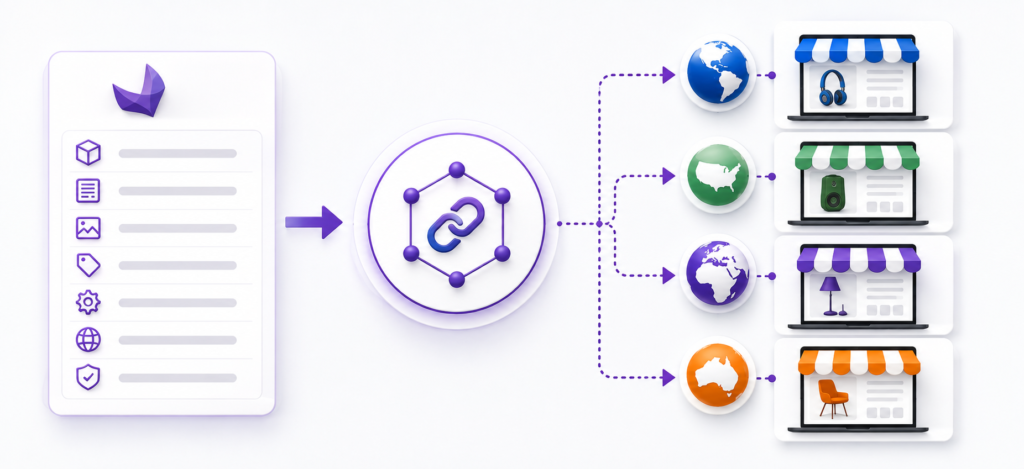
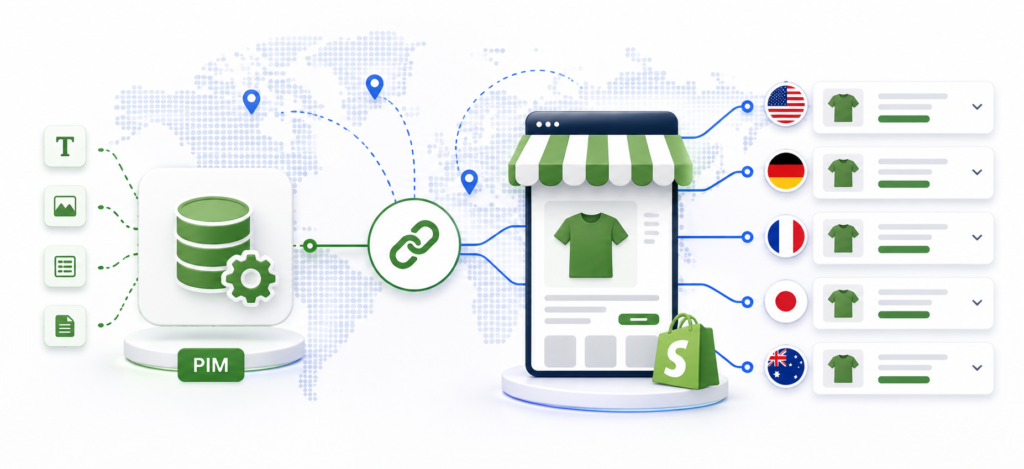
A Product Information Management (PIM) system serves as a central hub for product data. It stores, organizes, enriches, and distributes product information across multiple channels from a single source of truth.
A PIM can manage:
- Data modeling
- Categories & metadata
- Product names and SKUs
- Product descriptions
- Technical specifications
- Digital assets & metadata
- Pricing information
- Compliance documents
- Reference data
- Multi-Channel and Multi-language data
- AI, business, and transformation rules
Unlike ERP systems, which focus on business operations such as inventory and finance, a PIM focuses specifically on managing product information and ensuring consistency across channels.
Sign #1: Product Information Is Scattered Across Multiple Systems
One of the clearest indicators that an organization needs a PIM is when product information exists in several locations.
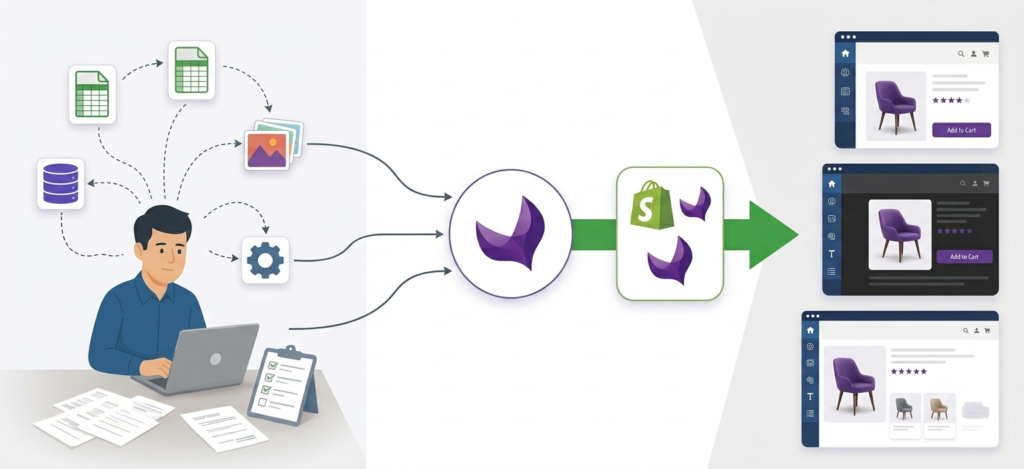
Product descriptions may be stored in spreadsheets, images in shared drives, specifications in ERP systems, and supplier information in email attachments. As more teams access and modify this information, it becomes increasingly difficult to determine which version is correct.
This often results in:
- Duplicate work
- Data inconsistencies
- Delayed updates
- Reduced productivity
A PIM centralizes product information and provides a single source of truth that all teams can access.
Sign #2: Product Launches Take Too Long
Bringing new products to market should not require weeks of manual work.
Many organizations collect product information from multiple departments before launching products. Marketing teams need descriptions, operations teams need specifications, and ecommerce teams need images and attributes.
Without a centralized system, product launches can become bottlenecked by manual processes.
A PIM streamlines these workflows by organizing product information in one location and automating approval and publishing processes.
Benefits include:
- Faster product onboarding
- Shorter launch cycles
- Improved collaboration between teams
- Reduced time-to-market
Sign #3: Product Information Is Inconsistent Across Sales Channels
Customers expect accurate information regardless of where they shop.
When product data is managed manually, inconsistencies often appear between websites, marketplaces, distributor portals, and retailer platforms.
Examples include:
- Different product descriptions
- Incorrect dimensions
- Outdated specifications
- Missing images
These inconsistencies can damage customer trust and create unnecessary returns.
A PIM helps ensure every channel receives the same approved product information.
Sign #4: Teams Spend Too Much Time Fixing Data Errors
If employees regularly update the same information across multiple systems, the organization is likely wasting valuable time.
Manual processes often create:
- Duplicate data entry
- Human error
- Version control issues
- Repetitive administrative work
Instead of focusing on growth initiatives, teams spend their time correcting mistakes.
A PIM automates many of these tasks and reduces the effort required to maintain accurate product information.
Sign #5: Business Growth Is Creating Product Data Complexity
Growth is exciting, but it also creates challenges.
As organizations expand, they often introduce:
- New product lines
- Additional product variants
- New marketplaces
- International sales channels
- Additional supplier relationships
Managing this complexity through spreadsheets becomes increasingly difficult.
A PIM provides the scalability needed to support business growth without sacrificing data quality or operational efficiency.
Sign #6: Your Products Need to Be Discoverable in AI-Powered Search
Product discovery is changing rapidly. Instead of relying solely on traditional search engines, consumers are increasingly using AI assistants such as ChatGPT, Gemini, Claude, and Copilot to research products, compare options, and make purchasing decisions.
These AI systems rely on structured, accurate, and trustworthy product information to understand and recommend products. When product data is incomplete, inconsistent, or scattered across multiple systems, AI platforms may struggle to surface your products in relevant search results and recommendations.
This can result in:
- Reduced visibility across AI-powered search experiences
- Incomplete or inaccurate product recommendations
- Lower engagement across emerging digital channels
- Missed opportunities in AI-driven commerce experiences
A PIM helps organizations create a strong foundation for AI discoverability by centralizing product information, standardizing attributes, improving data quality, and enriching product content. As AI becomes an increasingly important shopping and discovery channel, organizations with AI-ready product data will be better positioned to compete and grow.
When Should a Company Consider PIM?
Organizations should begin evaluating PIM when:
- Product data is difficult to locate
- Teams frequently encounter inconsistencies
- Product launches are delayed
- Manual updates consume excessive time
- Growth is increasing operational complexity
The earlier these challenges are addressed, the easier it becomes to scale product operations effectively.
Final Thoughts
Many mid-market enterprises do not realize they need a PIM until product data begins slowing growth. By identifying these warning signs early, organizations can build a stronger foundation for B2C and B2B commerce, dealer portals, marketplace expansion, improved site search, and future AI-driven discovery experiences.
As AI-powered search and agentic commerce continue to reshape how customers discover products, high-quality product information is becoming more important than ever. Organizations that invest in product data quality, governance, and scalability today will be better positioned to compete across both traditional and emerging commerce channels.
Ready to evaluate whether your organization needs a PIM?
StrikeTru helps manufacturers, distributors, and retailers assess product data challenges, improve product quality, and implement scalable PIM solutions that support growth across every sales channel.