Digital Commerce Starts with Better Product Data
Manufacturers sit at the source of product information. They define specifications, technical documentation, compatibility data, certifications, and other information buyers need to evaluate products. As digital buying and AI-powered product discovery become more common, the quality and accessibility of this information directly impact both customer experience and channel performance.
Modernizing the buying experience is not simply about launching an ecommerce site. It requires creating a digital foundation that supports distributors, sales teams, partners, and customers across every touchpoint.
1. Treat Product Information as a Strategic Asset
Product data should no longer be viewed as a catalog maintenance task.
Manufacturers should centralize and govern:
- Technical specifications
- Product attributes
- CAD files and documentation
- Certifications
- Compatibility information
- Images and digital assets
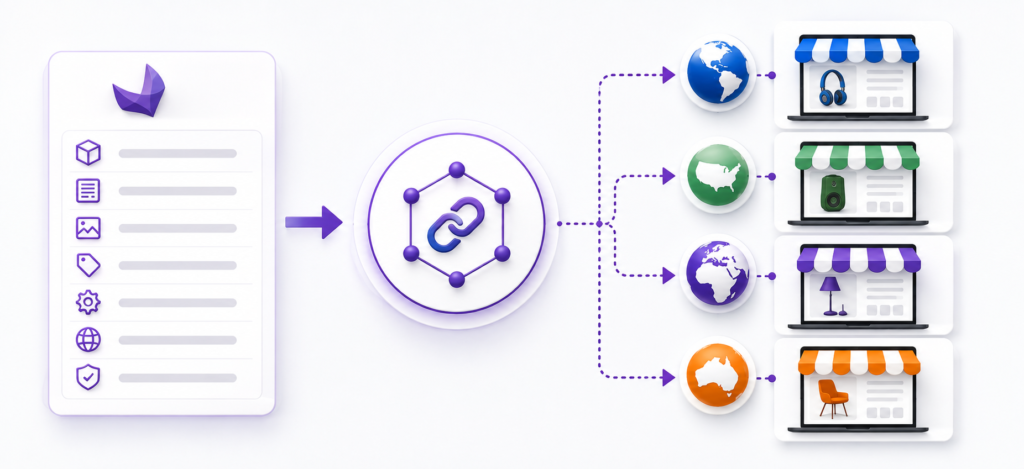
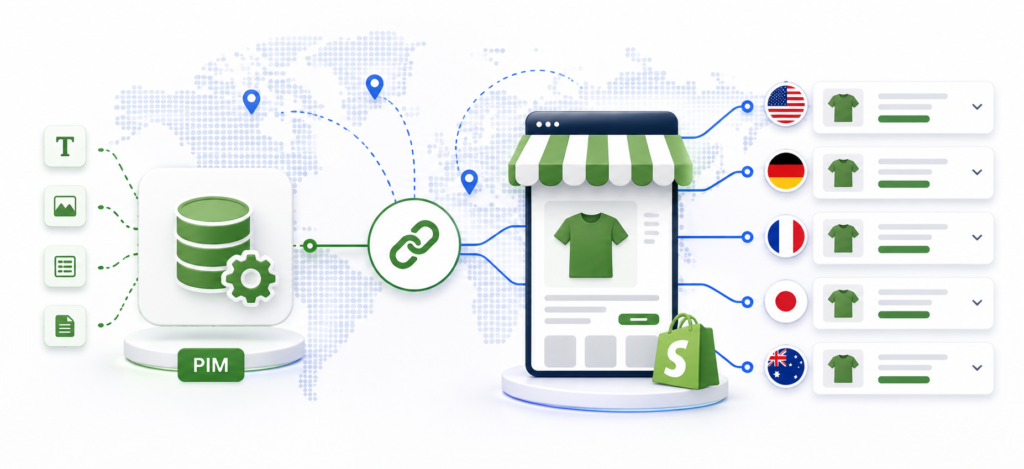
Accurate, enriched product information improves customer confidence, reduces sales support requests, enables AI-powered discovery, and ensures distributors receive consistent information.
2. Empower Distributors Instead of Competing With Them
Most manufacturers rely on distributors to reach customers.
Rather than replacing distribution channels, digital commerce should strengthen them by providing:
- Consistent product content
- Shared digital assets
- Real-time inventory visibility
- Accurate pricing and availability
- Faster product onboarding
Providing distributors with high-quality product information creates a better buying experience throughout the channel while protecting brand consistency.
3. Build Self-Service Experiences Around Technical Buyers
Industrial buyers often need answers before they need a salesperson.
Modern buyer portals should provide access to:
- Product documentation
- Technical resources
- Product comparisons
- Order history
- Account-specific pricing
- Reordering capabilities
This reduces friction for repeat purchases while allowing sales engineers to focus on solution-based conversations instead of transactional requests.
4. Connect Commerce With Enterprise Systems
Manufacturers often operate across multiple facilities, product lines, and regions.
Connecting commerce with ERP, PIM, CRM, inventory, and order management systems ensures customers receive accurate product availability, pricing, and order information while reducing duplicate processes internally.
Digital commerce becomes significantly more valuable when it reflects real-time operational data.
5. Build an AI-Ready Product Catalog
AI assistants are becoming another product discovery channel.
Manufacturers should prepare by investing in:
- Structured product attributes
- Consistent taxonomy
- Rich technical content
- FAQs
- Buying guides
- Complete documentation
AI cannot recommend products it does not understand. Well-governed product information improves visibility across search engines, marketplaces, distributor websites, and AI-powered buying experiences.
6. They Validate Before Going Live
Successful PIM implementations are built through continuous validation rather than waiting until the end of the project.
Throughout implementation, organizations review prototypes, conduct workshops, test integrations, validate workflows, and perform user acceptance testing before production deployment.
This iterative approach allows teams to identify issues early, refine business processes, and ensure the solution aligns with business requirements before launch.
Looking Ahead
Manufacturers that modernize successfully will focus less on selling through another channel and more on becoming the trusted source of product intelligence.
Organizations that invest in product information management, connected enterprise systems, and distributor enablement will be better positioned to improve customer experience while supporting future AI-driven commerce.