Better product data is no longer just operational hygiene—it is the foundation for AI discoverability and digital revenue growth.
Mark Smith’s (Analyst, ISG) recent article titled “Agentic Commerce: AI Engagement for Digital Business” argues that commerce is entering a major structural shift from human-led digital buying journeys to AI-mediated purchasing, where autonomous agents increasingly discover, evaluate, and even transact on behalf of buyers. This “agentic commerce” model changes the role of digital commerce from being optimized for human browsing and clicks to being optimized for machine interpretation, decisioning, and action.
Historically, brands competed for consumer attention through search rankings, merchandising, content, and UX. In agentic commerce, those decision points are increasingly delegated to AI assistants that synthesize options, compare products, and recommend or execute purchases. This creates a new buyer layer between brands and customers. As a result, the competitive battleground shifts from website experience alone to structured product data, interoperability, APIs, trust signals, and AI-readable commerce infrastructure.
For businesses, this creates both opportunity and risk.
Key Takeaways
1. AI agents become a new commerce channel
AI assistants will increasingly function like digital buyers or purchasing advisors. Brands must treat them as a new acquisition and conversion channel—not just a technology trend.
2. Product data becomes strategic infrastructure
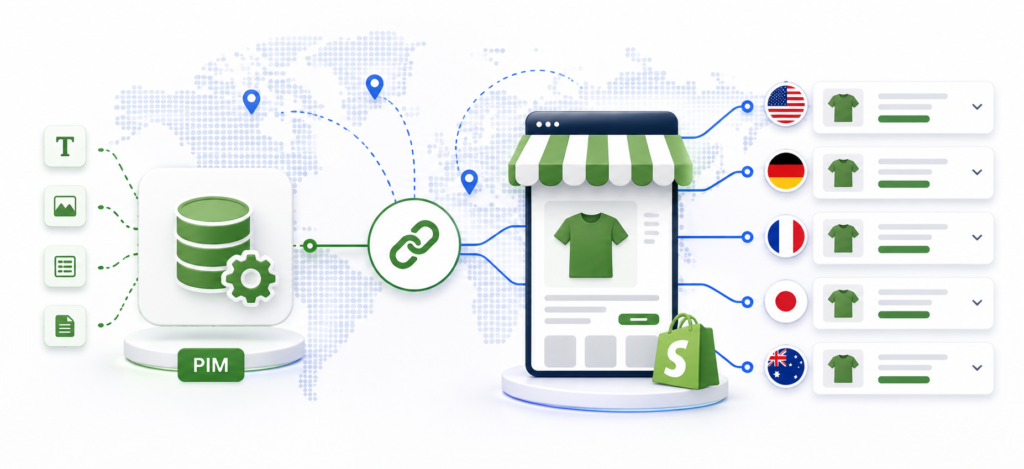
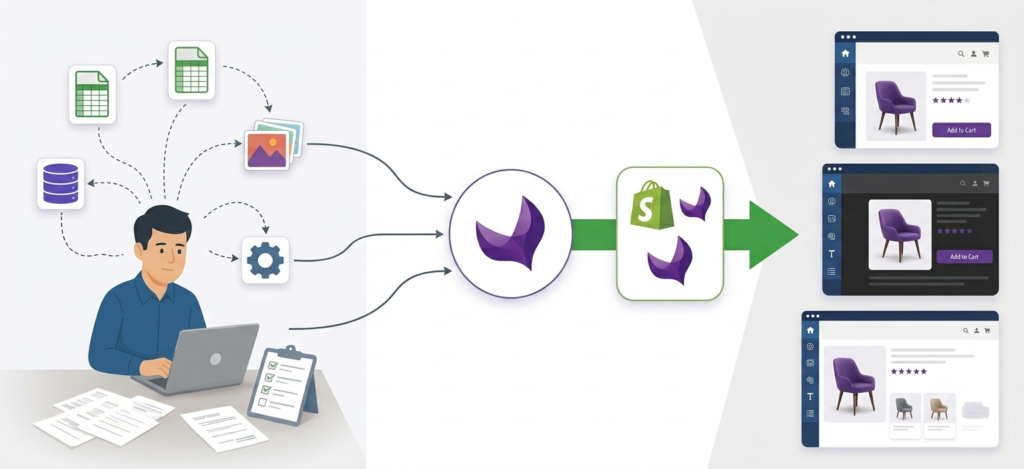
Complete, accurate, structured product information (attributes, pricing, inventory, compatibility, availability) becomes critical because AI agents rely on data more than branding or merchandising presentation. Poor product data may make products effectively invisible to AI-mediated discovery.
3. Customer engagement shifts earlier in the journey
Brands will need to influence demand before the transaction moment—through education, community, brand storytelling, personalization, and value creation—because AI may own more of the evaluation and checkout phase.
4. Direct customer relationships may weaken
If AI agents control discovery and recommendation, brands risk losing direct traffic, lower website engagement, and less ownership of the buying experience. Customer loyalty may shift from the brand to the consumer’s preferred AI assistant.
5. Commerce platforms need modernization
Organizations should invest in:
- API-first commerce architecture
- high-quality PIM and product enrichment
- real-time pricing and inventory access
- machine-readable content
- governance for AI interoperability
These become foundational capabilities for agentic commerce readiness.